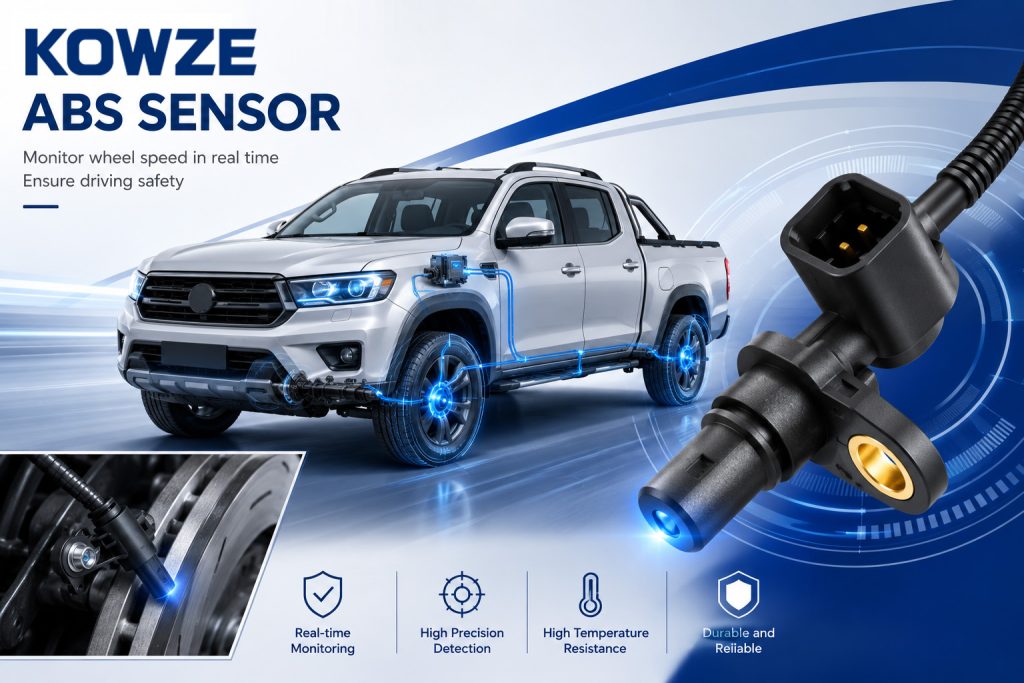


Ever noticed how your car’s performance can hinge on the tiniest parts? It’s incredible how something as small as a spark plug can make a big difference! If you’ve ever thought about diving into the world of auto parts, you’re not alone. Learning how to start auto parts manufacturing business is a thrilling journey that combines innovation with industry demand. From understanding market needs to setting up a top-notch manufacturing facility, this guide will steer you through the essential steps to turn your automotive ambitions into a successful reality.

Do Market Research

Before you dive into the auto parts manufacturing business, you need to know exactly where you’re heading. Think of market research as your GPS – it guides you to where the demand is, helps you find your unique spot, and ensures you’re not driving blind. Let’s break down the key aspects you need to explore to lay a solid foundation for your business.
Identify Market Demand
The automobile parts manufacturing industry is seeing impressive growth. According to a report by Grand View Research, the global automotive parts market was valued at $1.4 trillion in 2022 and is expected to expand at a compound annual growth rate (CAGR) of 4.7% from 2023 to 2030. This growth is partly driven by the increasing vehicle fleet and the rise of electric vehicles (EVs). Specifically, the China auto parts market, which is a major player in the global automotive sector, is experiencing robust growth. The China Association of Automobile Manufacturers reported that the country’s automotive parts market reached approximately $300 billion in 2023, with significant demand for both traditional and EV components. This surge highlights a key opportunity for manufacturers to tap into high-growth segments, particularly as China continues to lead in EV adoption and production.
Choose a Niche
Once you’ve grasped the general demand, it’s time to zero in on a specific niche. The auto parts market is vast, ranging from brake pads to exhaust systems. Finding the right niche is like discovering a hidden path that leads straight to success.
For example, the market for electric vehicle parts is expanding rapidly. The International Energy Agency (IEA) reported that global electric vehicle sales surged by 55% in 2022, reaching nearly 10 million units. This rising trend indicates a growing need for specialized components like high-capacity batteries and advanced power electronics.
Another promising niche is the market for parts specific to Japanese vehicles, which are renowned for their reliability and performance. For example, off-road and pickup trucks, particularly those from Japanese brands like Toyota and Nissan, have a dedicated following. According to data from the Automotive News Data Center, Toyota’s Tacoma and Land Cruiser, as well as Nissan’s Frontier, are top-selling models in the off-road and pickup categories. In the U.S. alone, Toyota sold over 250,000 Tacomas in 2023, reflecting strong demand for parts tailored to these rugged vehicles.
Additionally, there’s a growing trend towards high-performance and aftermarket parts for these Japanese models. The Specialty Equipment Market Association (SEMA) reports that the U.S. automotive aftermarket industry, valued at around $48 billion in 2023, sees significant growth in parts for off-road and pickup trucks. This market is expanding as enthusiasts seek to customize and enhance their vehicles with upgraded suspension systems, high-performance brakes, and off-road accessories.
Competitor Analysis
To get ahead in the auto parts manufacturing industry, understanding your competitors is crucial. Think of competitor analysis as your way of checking out the playbook of the top players in the game. It’s about knowing what they’re doing right, where they’re missing the mark, and how you can carve out your niche. Here are ways to analyze competitors:
- Product Range and Quality: Start by examining the types of parts offered by the top automotive parts manufacturing companies. Are they specializing in high-performance components, or are they focusing on budget-friendly options? Assess the quality of their products—look at customer reviews, ratings, and any feedback available online.
- Pricing Strategies: Take note of how your competitors price their products. Are they competing on price, or do they position themselves as premium suppliers?
- Market Presence and Brand Positioning: Evaluate how your competitors market themselves. What kind of branding and messaging are they using? Are they targeting specific customer segments like DIY enthusiasts, repair shops, or large automotive manufacturers?
- Distribution Channels: Look at where and how your competitors distribute their products. Do they sell directly to consumers through e-commerce platforms, or do they focus on wholesale to retailers?
- Customer Service: Investigate the level of customer service provided by your competitors. Are they known for excellent support, or do they have areas for improvement?
Target Customer Analysis
Who will be buying your auto parts? Whether it’s repair shops, car enthusiasts, or vehicle manufacturers, knowing your target customer’s needs is crucial. A survey by J.D. Power found that repair shops and auto service providers place high importance on the durability and reliability of auto parts, with 72% of respondents citing these factors as critical in their purchasing decisions. Understanding these preferences and pain points—such as the need for cost-effective solutions and high performance—will help you tailor your products and marketing strategies to meet the exact needs of your customers, ensuring your offerings are well-positioned to succeed in the market.
Make Business Planning

Planning is the roadmap to turning your auto parts manufacturing dream into reality. Here’s how to lay the groundwork for a successful venture, from setting clear goals to managing your finances and operations.
Business Goals
Define clear, achievable business goals to steer your operations. Whether you aim to capture a specific market share, launch a new product line, or achieve a certain revenue target, setting these objectives helps focus your efforts and measure success.
- Achieve Specific Revenue Targets
- Expand Product Line Offerings
- Capture Target Market Share
- Increase Brand Awareness and Recognition
- Enhance Customer Satisfaction Levels
- Expand to New Geographic Markets
Financial Planning
Financial planning is essential for startup success. Initial costs can include equipment, raw materials, facility setup, and staffing. On average, starting an auto parts manufacturing business can require several hundred thousand dollars. Explore funding options like business loans, venture capital, or grants to secure the necessary capital and ensure you have a solid budget for initial and ongoing expenses.
Operational Plan
Your operational plan is the blueprint for daily operations. It should detail the production process, including sourcing raw materials, manufacturing steps, and quality control measures. Efficient supply chain management is also crucial—establish reliable suppliers and streamline logistics to ensure timely production and delivery. This plan ensures smooth operations and helps you manage resources effectively
Obtain Permits and Licenses
First, research local regulations specific to manufacturing and auto parts. These may include zoning laws, safety standards, and environmental regulations. Comply with industry standards set by organizations such as the Society of Automotive Engineers (SAE) to ensure your products meet quality and safety requirements.
Then, register your business with local authorities to obtain the necessary permits. This typically involves filing for a business license, registering your business name, and possibly obtaining an Employer Identification Number (EIN). Ensuring all registrations are complete will help you operate legally and avoid potential fines or legal issues.
Select a Location

Start by considering the proximity to both suppliers and customers. Being close to your suppliers can cut down on shipping costs and delays, while a location near your target market can streamline distribution.
Next, check if the infrastructure supports your needs. Reliable utilities, good transportation links, and sufficient space are essential for smooth operations. Don’t forget to factor in costs—rent, taxes, and utilities can vary greatly, so balancing affordability with functionality is key.
Look at the local labor market, too. Having access to a skilled workforce can make a big difference in maintaining high-quality production. Finally, consider the regulatory environment. A location with business-friendly regulations can make the setup process smoother and less time-consuming.
Set Up Manufacturing Facility
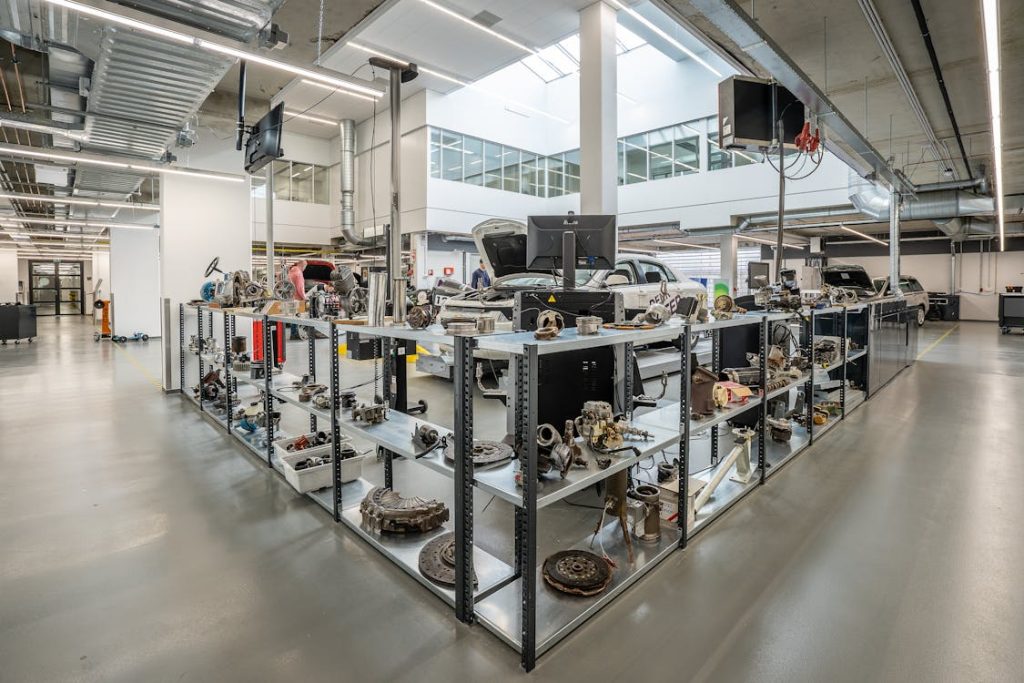
Begin by choosing a space that accommodates your current production needs and allows room for future expansion. Ensure the facility has the necessary infrastructure, including robust electrical systems, water supply, and ventilation to support machinery and maintain a safe working environment.
Then you should invest in high-quality machinery tailored to your specific production processes. Depending on your product range, this might include injection molding machines, CNC machines, or assembly lines. Ensure that your equipment is up-to-date and capable of meeting industry standards.
Also, plan for efficient workflow and safety. Design the layout to optimize the movement of materials and products through various stages of production. Incorporate safety features such as proper lighting, ventilation, and emergency exits to protect your employees and maintain a safe working environment.
Source Raw Materials

Start by identifying reliable suppliers who can provide the materials you need consistently. Build relationships with suppliers who offer high-quality raw materials at competitive prices. Consider factors such as material specifications, delivery times, and cost to make informed choices.
Diversify your sources to mitigate risks associated with supply chain disruptions. Having multiple suppliers for critical materials ensures that you’re not overly dependent on a single source. Regularly review and assess your suppliers to maintain quality and cost-effectiveness.
Additionally, negotiate terms and establish clear agreements to ensure timely deliveries and fair pricing. Effective sourcing not only impacts your production efficiency but also affects your overall business performance. By carefully selecting and managing your raw material sources, you set the foundation for a smooth and successful manufacturing operation.
Build a Competent Workforce

A skilled and motivated workforce is essential for the success of your automotive parts factory. Start by recruiting individuals with the necessary technical expertise and experience in manufacturing. Look for candidates who are not only skilled but also align with your company’s values and culture.
Once hired, invest in comprehensive training programs to ensure your employees are proficient in using machinery, following safety protocols, and maintaining quality standards. Regular training helps keep skills up-to-date and adapt to new technologies or processes.
Foster a positive work environment that encourages collaboration, growth, and job satisfaction. Recognize and reward good performance to boost morale and retain top talent. Providing opportunities for career advancement and professional development can further enhance employee commitment and productivity.
Whether you’re producing whole auto parts or OEM aftermarket auto parts, focusing on building a competent and motivated workforce lays the groundwork for operational excellence and long-term success in your manufacturing business.
Manage Inventory

Effective inventory management is crucial for maintaining a smooth and efficient production process in your aftermarket auto parts factory. Start by implementing an inventory control system that tracks stock levels, manages reorder points, and minimizes excess inventory. This ensures you always have the necessary materials on hand without overstocking, which can tie up capital and increase storage costs.
Utilize technology such as inventory management software to automate and streamline processes. This can help you monitor inventory in real-time, forecast demand, and make informed purchasing decisions.
Regularly conduct inventory audits to identify discrepancies and ensure accuracy. This practice helps prevent stockouts and production delays, maintaining a steady flow of operations.
Make Training Programs

Comprehensive training programs ensure your team operates efficiently and maintains high-quality standards in your automobile spare parts manufacturing business. Start by identifying the key skills and knowledge areas your employees need, including machinery operation, safety protocols, and quality control procedures.
Create detailed training modules that cover these areas thoroughly. You can use various instructional methods, such as hands-on training, workshops, and e-learning, to cater to different learning styles. Regularly update your training content to keep pace with technological advancements and industry standards.
Implement a continuous training schedule to reinforce skills and introduce new practices. Encourage employees to provide feedback on training programs to identify areas for improvement. Recognize and reward employees who excel in their training, fostering a culture of continuous learning and development.
Design Marketing and Sales Strategy

An effective marketing and sales strategy is essential for establishing your presence in the auto parts manufacturing industry and driving business growth. Auto parts manufacturing companies need to craft a strategy that highlights their strengths and reaches their target audience effectively.
Marketing Strategy:
- Identify Unique Selling Points (USPs): Highlight superior quality, innovative design, or cost-effectiveness.
- Digital Marketing Channels: Utilize a mix of digital marketing channels to reach a broad audience. Engage with potential customers on social media platforms, showcasing your expertise and building brand awareness. Implement search engine optimization (SEO) strategies to ensure your website ranks highly in search results when potential customers look for auto parts manufacturing companies. Use email marketing to send targeted campaigns that maintain customer relationships and keep your audience informed about new products and promotions.
- Content Creation: Develop engaging blog posts, videos, and case studies.
- Industry Trade Shows and Networking Events: Showcase products and build relationships.
- Customer Testimonials and Case Studies: Use positive feedback to build trust and credibility.
Sales Strategy:
- Target Key Customer Segments: Focus on key customer segments such as repair shops, automotive manufacturers, and distributors. Tailor your communication and sales efforts to meet the specific needs of these groups. Building strong relationships with repair shops can lead to consistent orders, as they often require a steady supply of parts. Partnering with automotive manufacturers can open opportunities for bulk sales and long-term contracts. Working with distributors can expand your reach, as they can help place your products in various markets and retail locations.
- Personalized Communication: Build strong relationships with tailored communication.
- Exceptional Customer Service: Provide support and build lasting relationships.
- Promotions, Discounts, and Loyalty Programs: Incentivize repeat business and attract new customers.
- Leverage Feedback: Use customer insights to refine products and services.
Conclusion
Knowing how to start auto parts manufacturing business is like tuning a high-performance engine—every component needs to be in perfect sync. By following these steps, from market research to setting up your manufacturing facility, you’ll be well on your way to creating a thriving business. Embrace the challenges, stay focused on quality, and keep your customers’ needs at the forefront. With careful planning and strategic execution, you’ll transform your vision into a powerful force in the auto parts industry. Ready to hit the road to success? Your journey starts here!
FAQs
Q1: What are the initial costs involved in starting car parts manufacturing companies?
Initial costs typically include equipment, raw materials, facility setup, and operational expenses. It’s important to create a detailed financial plan to estimate these costs accurately.
Q2: How can I identify gaps in the auto parts market?
Conduct market research to analyze current trends and customer needs. Look for areas where existing products fall short or where there’s rising demand for specific parts.
Q3: What licenses do I need to start an auto parts manufacturing business?
You’ll need to acquire local business permits and industry-specific licenses and adhere to safety and environmental regulations. Check with your local regulatory body for specific requirements.
Q4: What are some effective marketing strategies for auto parts manufacturers?
Utilize digital marketing, engage in industry events, and leverage social media platforms. Highlight the unique features of your products and build a strong brand presence to attract customers.