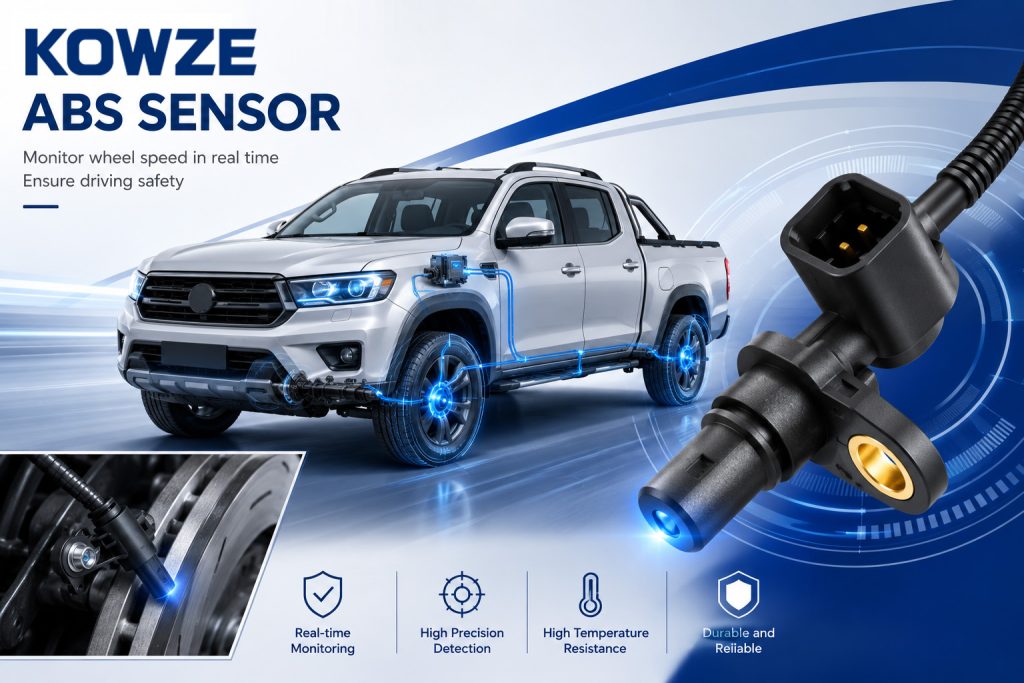


When your car needs a repair, you’re often faced with a crucial question: which type of part should you choose—Original, OEM, or Aftermarket? It’s like standing at a crossroads, each path leading to a different experience for your vehicle and your wallet. In this guide, we’ll break down the differences, so you can make an informed decision without feeling like you need a degree in automotive engineering.
3 Different Types of Car Parts
Choosing between original car parts vs. aftermarket parts vs. oem car body parts can be a daunting task, especially when every mechanic and car enthusiast seems to have a different opinion. But don’t worry—we’re here to help you understand what sets these options apart.

Original Car Parts
Original Car Parts are the parts that come straight from the car’s manufacturer—the same ones that were used to build your car in the first place. Think of them as the gold standard, tailor-made for your vehicle. They’re usually stamped with the car manufacturer’s logo, giving you that warm, fuzzy feeling of authenticity.
OEM Car Parts
Next up, we have OEM Car Parts, which stands for Original Equipment Manufacturer. These parts are made by the same companies that produce the Original Car Parts but are sold under a different brand name. It’s like buying a luxury handbag without the fancy label. You’re still getting top-notch quality but often at a slightly lower price.
Aftermarket Car Parts
And then there’s the wild card: Aftermarket Car Parts. These are made by third-party companies or aftermarket car parts suppliers, and the market is flooded with options—some good, some not so much. Aftermarket parts can range from being almost identical to the original to being a completely new take on the component. It’s a bit like shopping at a discount store—you can find some hidden gems, but you need to know what you’re looking for.
Pros and Cons of Original Car Parts
Pros of Original Car Parts
- Perfect Fit: Original Car Parts are designed specifically for your car model, ensuring a flawless fit and optimal performance.
- High Quality: Since these parts are made by the car’s manufacturer, you can trust their durability and reliability.
- Warranty Coverage: They often come with a manufacturer’s warranty, providing peace of mind.
Cons of Original Car Parts
- Expensive: These parts tend to be the most costly option, which can strain your budget.
- Limited Availability: For older or less common models, finding Original Car Parts can be challenging and time-consuming.
- Longer Wait Times: If the part isn’t readily available, you might face delays in repairs while waiting for it to be shipped.
Pros and Cons of OEM Car Parts
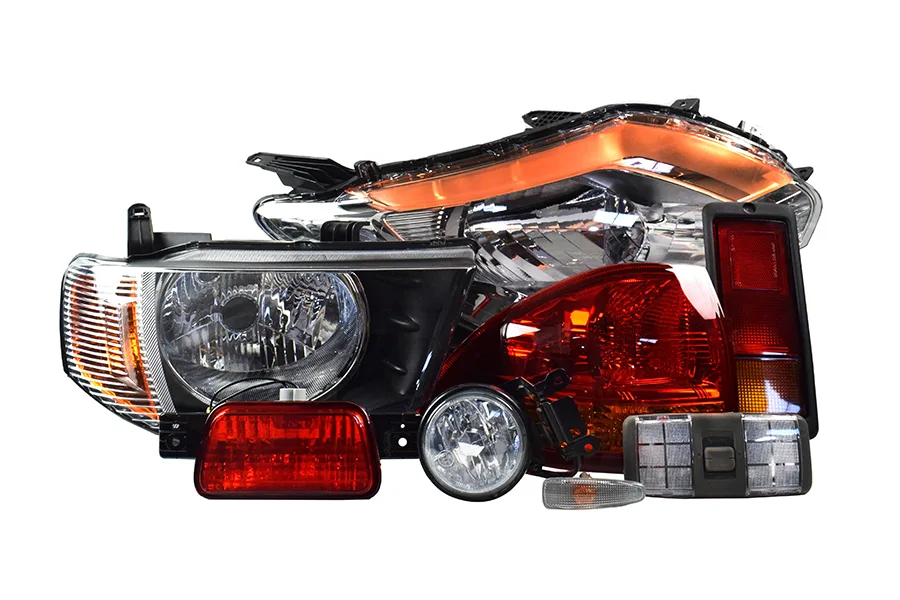
Pros of OEM Car Parts
- Reliable Quality: OEM Car Parts are made by the same manufacturers who produce Original parts, so you get similar quality without the premium price tag.
- Cost-Effective: They are generally more affordable than Original parts, offering a good balance of quality and cost.
- Availability: OEM oem aftermarket auto parts are easier to find compared to Original parts, making them a convenient option.
Cons of OEM Car Parts
- Still Pricey: While cheaper than Original parts, OEM car body parts can still be more expensive than Aftermarket options.
- Less Branding: These parts may lack the car manufacturer’s logo or branding, which might be a downside for some car enthusiasts.
- Variable Warranty: Not all OEM parts come with the same warranty as Original parts, so you may be taking on more risk.
Pros and Cons of Aftermarket Car Parts
Pros of Aftermarket Car Parts
- Affordable: Aftermarket Car Parts are typically the most budget-friendly option, making them ideal for those looking to save money.
- Wide Variety: There’s a huge selection of Aftermarket parts available, giving you more choices and customization options.
- Potential Upgrades: Some Aftermarket parts offer improvements over the original design, allowing you to enhance your car’s performance or aesthetics.
Cons of Aftermarket Car Parts
- Quality Variability: The quality of Aftermarket parts can be inconsistent, so it’s important to do thorough research before purchasing.
- Fit Issues: Some Aftermarket parts might not fit as perfectly as Original or OEM parts, which could lead to installation problems.
- Limited Warranty: Aftermarket parts often come with shorter or no warranties, which might leave you without coverage if something goes wrong.
How to Choose Between Original, OEM, and Aftermarket?
There’s no one-size-fits-all answer when choosing the right type of part. It’s all about weighing your priorities and making the best choice for your situation.
Cost vs. Value
Start by considering your budget. If you have the cash to splurge and you’re looking for long-term reliability, Original Car Parts might be worth the investment. However, if you’re trying to save some money without compromising too much on quality, OEM car body parts offer great value. And if you’re really pinching pennies, Aftermarket parts can provide the most bang for your buck—just be sure to do your research.
Local vs. Online Purchasing Options
Where you buy your parts can also make a big difference. Local shops may offer quicker access and the ability to see the part before you buy, but they might have a limited selection. Online shopping opens up a world of possibilities, with access to a broader range of OEM and Aftermarket parts, often at lower prices. Just keep an eye on shipping costs and delivery times.
Warranty and Insurance Consideration
Don’t forget to check if your car part choice will affect your warranty or insurance. Some insurers prefer Original or buy OEM car parts for repairs, and using Aftermarket car parts might void certain warranties. Always double-check with your insurance provider before making a decision.
When to Choose Which Type?
So, when should you go for Original, OEM, or Aftermarket? If your car is still under warranty or you’re a stickler for authenticity, Original parts are the way to go. OEM parts are a solid choice for those who want quality without breaking the bank. And if your car is older or you’re customizing, Aftermarket parts can offer great variety and affordability.
Common Myths and Misconceptions
There’s a lot of misinformation out there about car parts. Let’s debunk some of the most common myths.
Myth: Aftermarket Parts Are Always Inferior
This one’s a biggie. While it’s true that some Aftermarket parts are lower quality, many are just as good as—or even better than—their Original and OEM counterparts. It all comes down to knowing what to look for.
Myth: Original Parts Are Always the Best Option
Sure, Original parts are top-notch, but they’re not always the best choice. For older cars, it might be difficult or expensive to find Original parts, and in some cases, OEM or Aftermarket options can offer better value or improved performance.
Myth: OEM Parts Are Just Rebranded Original Parts
This is a common misconception. While OEM parts are made by the same manufacturers, they’re not necessarily identical to the Original parts. They might lack certain branding or packaging, but that doesn’t mean they’re any less reliable.
Conclusion
In the end, choosing between Original, OEM, and Aftermarket parts is all about what’s right for you and your car. Whether you prioritize quality, cost, or convenience, each option has its own set of benefits and drawbacks. By understanding the differences and debunking common myths, you can make a more informed decision that keeps your car running smoothly and your wallet happy.
FAQs
1. What’s the biggest difference between auto parts oem vs. aftermarket?
The main difference is the manufacturer. OEM parts are made by the same companies that produce Original parts, while Aftermarket parts are made by third-party companies, offering more variety but sometimes variable quality.
2. Can using Aftermarket parts void my car’s warranty?
It depends. Some warranties require the use of Original or OEM parts, so it’s best to check your warranty terms before using Aftermarket parts.
3. Are Original car parts worth the extra cost?
If authenticity and a perfect fit are important to you, then Original parts may be worth the investment. However, OEM parts often offer similar quality at a lower price.
4. Is it safe to buy car parts online?
Yes, as long as you purchase from reputable sellers and verify the part’s compatibility with your vehicle. Online shopping can offer more options and better prices, but be cautious of shipping costs and delivery times.
5. Do all Aftermarket parts offer the same quality?
No, Aftermarket parts can vary widely in quality. It’s important to research brands and read reviews to ensure you’re getting a reliable part.