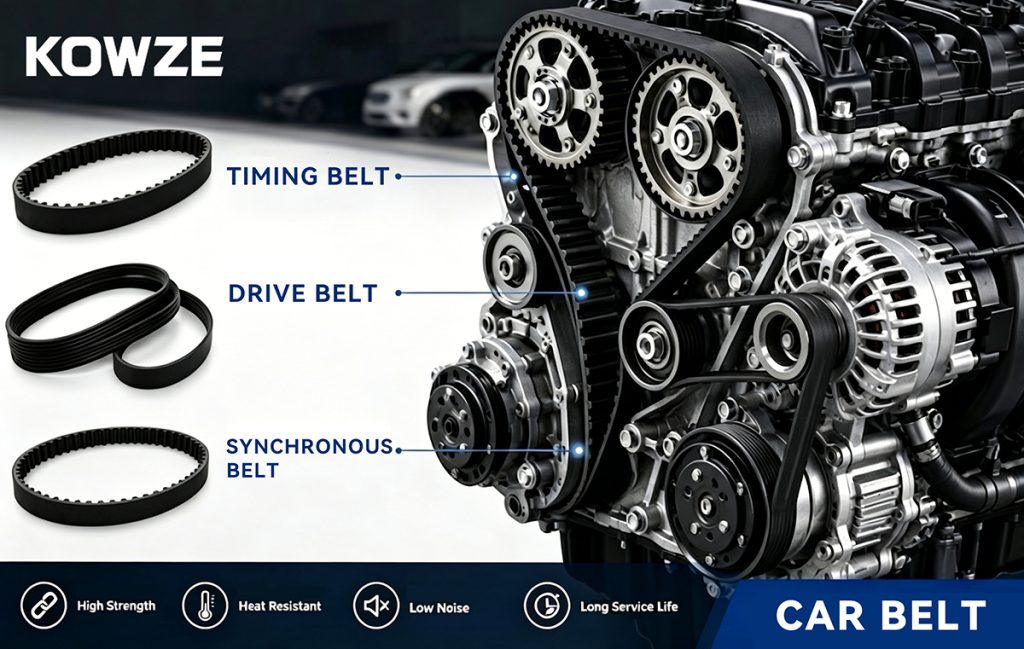


Choosing between OEM and aftermarket car parts can feel like navigating a maze. Both options come with their own sets of pros and cons, and the decision can significantly impact your vehicle’s performance, safety, and your wallet. So, which path should you take? Let’s dive into the differences between OEM car parts vs. aftermarket car parts and help you make an informed choice!

What Are OEM Car Parts?
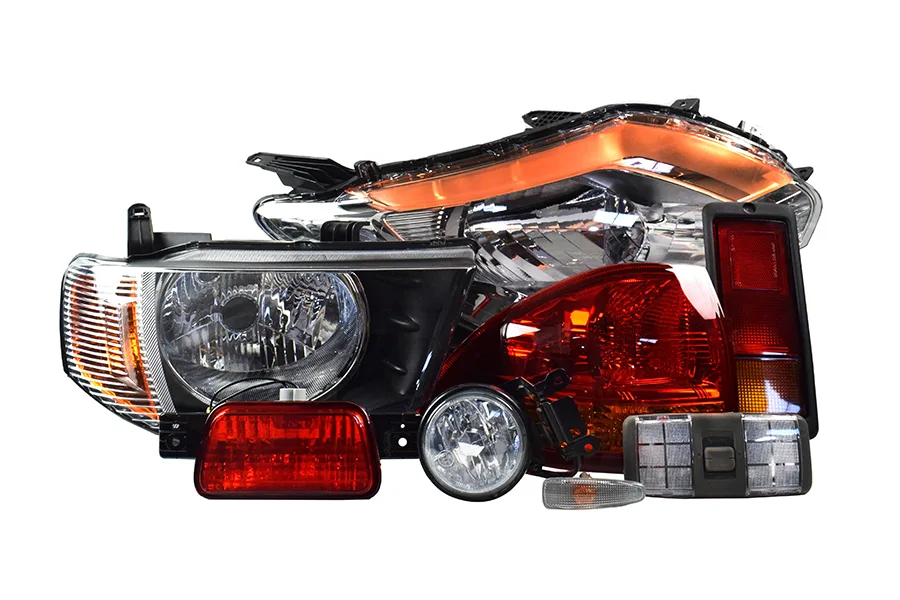
OEM stands for Original Equipment Manufacturer. Simply put, OEM car parts are the genuine parts made by the car manufacturer specifically for your vehicle. If you’re looking for a component that’s identical to what was originally installed, OEM is the way to go. These parts are designed to fit perfectly and maintain the integrity of your car, ensuring that everything functions as it should.
What Are Aftermarket Car Parts?
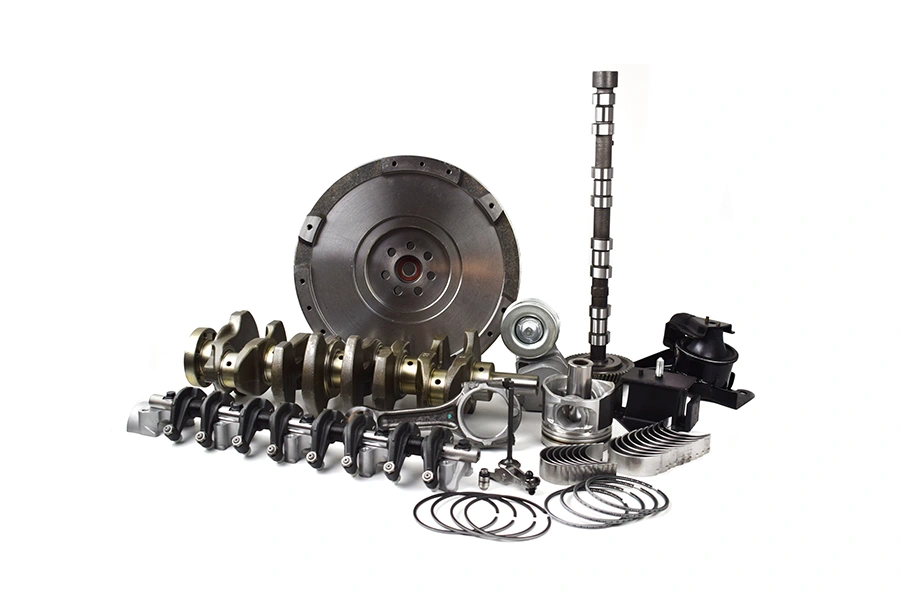
On the flip side, aftermarket car parts are produced by third-party manufacturers. These parts might be designed to fit a variety of makes and models, or they could be specific to certain vehicles. They often aim to provide cheaper alternatives or even performance upgrades. So, if you hear someone say, “What does aftermarket car parts mean?”—think of it as anything that isn’t made by the car’s manufacturer but is still designed to work with your vehicle.
Key Differences Between OEM and Aftermarket Parts
Here’s a simple comparison table for OEM Car Parts vs. Aftermarket:
| Feature | OEM Car Parts | Aftermarket Car Parts |
| Manufactured By | Original manufacturer | Third-party manufacturers |
| Price | Generally higher | Typically lower |
| Quality | High, meets manufacturer standards | Variable; depends on the manufacturer |
| Fit and Compatibility | Exact fit for your vehicle | May fit various models; compatibility can vary |
| Warranty | Usually comes with a warranty | Varies widely; not always guaranteed |
| Availability | May require ordering | Often readily available in stores/online |
| Selection | Limited options | Wide range of options and upgrades |
| Performance Enhancements | Standard performance | Potential for performance upgrades |
| Installation | Generally straightforward | May require special tools/skills |
| Support | Backed by the manufacturer | Varies; depends on the aftermarket brand |
Price Comparison
When comparing the price of auto parts oem vs. aftermarket, aftermarket auto parts typically have the upper hand. These alternatives are often significantly more affordable than OEM parts, making them a go-to choice for budget-conscious drivers. If you’re trying to stretch your dollar while keeping your vehicle in top shape, aftermarket car parts can be very appealing.
However, it’s crucial to remember that a lower price tag can sometimes come with trade-offs. While you might save money upfront, you could face higher costs down the line if the part doesn’t perform as expected or needs to be replaced sooner than anticipated.
Quality and Performance
Quality is where the conversation gets really interesting. When comparing the quality of aftermarket body parts vs. OEM, the latter is meticulously designed to meet strict manufacturing standards, ensuring that it delivers reliability and optimal performance for your vehicle. These components are crafted specifically for your make and model, which often translates to a seamless fit and dependable operation.
On the other hand, aftermarket car parts can vary widely in quality. Some aftermarket auto parts manufacturers produce high-quality aftermarket car parts that can enhance your vehicle’s performance or offer innovative features. Yet, others may cut corners, leading to compatibility issues or subpar performance. It’s essential to do your research and choose wisely when selecting aftermarket parts, as not all options will meet the same standards as OEM auto parts.
Availability and Accessibility
Need a part in a hurry? Aftermarket auto parts often come to the rescue in terms of accessibility. They are usually available at a wide range of auto shops and online retailers, allowing you to find what you need quickly and easily. This can be a lifesaver if you’re in a pinch and require a replacement part right away.
In contrast, OEM auto parts might not be as readily accessible, particularly for older or less common vehicle models. You may have to place a special order through a dealership, which can lead to longer wait times. If you’re in a situation where time is of the essence, the quick availability of aftermarket options can be a significant advantage.
Warranty and Support
When it comes to peace of mind, OEM parts typically come with a warranty, assuring that if something goes wrong, you’re covered. This added layer of protection can be invaluable, especially for critical components. Aftermarket parts may also offer warranties, but these vary widely in terms of duration and coverage.
Some aftermarket car parts manufacturers provide solid warranties, while others might not offer any at all. It’s essential to read the fine print and understand what kind of support you can expect. Ultimately, while aftermarket parts can be a cost-effective solution, having robust warranty options can sway your decision toward OEM components, especially for important repairs.
Pros and Cons of OEM Car Parts

Pros of OEM Car Parts
- Reliability and Safety: You can trust that OEM car parts have undergone rigorous testing, making them a safer choice for your vehicle.
- Exact Fit: No guesswork here! OEM auto parts are made to match your vehicle’s specifications perfectly.
- Warranty Assurance: OEM car parts often come with a warranty, protecting you from unexpected costs down the line.
- Quality Assurance: You’re getting the same quality as the original car parts, which can enhance your car’s performance.
Cons of OEM Car Parts
- Higher Costs: OEM car parts tend to be pricier than their aftermarket counterparts, which can strain your budget.
- Limited Options: You might find fewer choices in terms of features and enhancements compared to aftermarket parts.
- Longer Wait Times: If the part isn’t in stock, you may have to wait longer for it to be shipped or ordered.
Pros and Cons of Aftermarket Car Parts
Pros of Aftermarket Car Parts
- Lower Prices: Typically, you can find aftermarket car parts at a fraction of the cost of OEM parts, making them budget-friendly.
- Wider Selection: Aftermarket auto parts offer a variety of options, from basic replacements to high-performance upgrades.
- Performance Enhancements: Some aftermarket parts are designed to improve your vehicle’s performance, like enhancing horsepower or fuel efficiency.
- Innovation: Many aftermarket car parts manufacturers are quick to adapt to new technologies and trends, offering cutting-edge products.
Cons of Aftermarket Car Parts
- Potential Quality Variability: Not all aftermarket car parts are created equal. Some might not meet the same standards as OEM parts, leading to performance issues.
- Compatibility Issues: Finding a part that fits perfectly can be a challenge, and some parts might not work as intended with your vehicle.
- Limited Warranty: While some aftermarket parts do offer warranties, they’re often less comprehensive than those provided with OEM car parts.
- Installation Challenges: Some aftermarket parts may require special tools or expertise for installation, adding to your overall costs.
When to Opt for OEM Car Parts?
Here are some situations when to opt for OEM car parts:
- Safety Features: When replacing critical components like airbags, brakes, or steering systems where safety is paramount.
- Warranty Maintenance: If your vehicle is still under warranty, using OEM parts helps maintain that coverage and avoids potential issues.
- Exact Fit Requirements: When you need a part that fits perfectly with no adjustments or modifications required, such as body panels or engine components.
- Manufacturer Recommendations: If the vehicle manufacturer specifically recommends OEM parts for certain repairs or replacements.
- Resale Value Concerns: When maintaining the vehicle’s resale value is important, as using OEM parts can enhance credibility with potential buyers.
- Performance Reliability: If you want to ensure optimal performance and reliability for your vehicle, especially for high-performance or luxury models.
- Complex Repairs: When dealing with complex systems where compatibility and reliability are critical, like electrical systems or advanced driver-assistance systems.
- Restoration Projects: For classic cars or restorations, using OEM parts can help maintain authenticity and value.
- Long-Term Ownership: If you plan to keep your vehicle for a long time, investing in OEM parts can enhance durability and reduce future repairs.
When to Opt for Aftermarket Car Parts?
Here are some situations when to opt for aftermarket car parts:
- Cost Savings: When you need to save money on repairs or replacements, aftermarket parts are often more affordable.
- Older Vehicles: If your car is older and OEM parts are hard to find or prohibitively expensive, aftermarket options can provide a viable alternative.
- Performance Enhancements: When you’re looking to upgrade your vehicle’s performance, aftermarket parts may offer better options for enhancements.
- Wider Selection: If you want more variety in design or features, aftermarket parts often provide a broader range of choices.
- DIY Repairs: If you’re comfortable with DIY repairs, aftermarket parts can often be easier to find and install.
- Availability: When you need a part quickly and aftermarket options are readily available at local auto shops or online.
- Custom Modifications: If you’re customizing your vehicle and want unique parts or accessories that OEM doesn’t offer.
- Less Critical Components: For non-essential parts, like interior trim or cosmetic features, aftermarket parts can be a practical choice.
Conclusion
Deciding between OEM car parts vs. aftermarket doesn’t have to be a daunting task. It ultimately comes down to your specific needs, budget, and how you use your vehicle. Whether you prioritize quality and reliability with OEM parts or seek affordability and innovation with aftermarket options, understanding the differences can empower you to make the best choice for your ride.
FAQs
1. Are aftermarket car parts as good as OEM?
Not always. While some aftermarket car parts can match or exceed OEM quality, others may not perform as well. Research is key.
2. Are OEM parts always better than aftermarket parts?
Not necessarily. OEM car parts are reliable, but high-quality aftermarket options exist that may offer better performance or value.
3. Are there any restrictions on using aftermarket parts?
Generally, you can use aftermarket auto parts without restrictions, but some warranties may require OEM parts to maintain coverage.
4. How do I know if an aftermarket part is of good quality?
Look for reviews, brand reputation, and certifications. A good warranty is also a positive sign of quality.
5. Which is more cost-effective for regular maintenance?
Aftermarket parts are typically more cost-effective for regular maintenance, but consider quality and reliability when making your choice.