

Toyota has consistently been a leader in the automotive industry, with over 10 million vehicles sold worldwide in 2022 alone. This impressive figure highlights the brand’s reliability and popularity among drivers. However, even the most dependable cars require regular maintenance, upgrades, and repairs to sustain their performance and safety. This brings us to an important consideration for Toyota owners: Toyota OEM vs aftermarket parts. Understanding the differences between these options is crucial for ensuring your vehicle continues to perform at its best while meeting your specific needs.

What Are Toyota OEM Car Parts?
Toyota OEM (Original Equipment Manufacturer) car parts are components produced directly by Toyota for use in their vehicles. These parts are designed to the precise specifications and quality standards established by the manufacturer.
They are primarily used to restore or maintain the vehicle’s performance and safety. They are integral in ensuring that systems such as brakes, suspension, and transmission operate as intended.
Typically, their manufacturing process is highly regulated and involves several critical steps. It begins with rigorous research and development, where engineers utilize advanced computer-aided design (CAD) software to create detailed specifications for each part. After the design phase, Toyota sources premium-grade raw materials, such as high-strength metals and durable plastics.
Once materials are selected, the parts undergo precision manufacturing processes, including stamping, molding, and machining. Throughout production, strict quality assurance measures are implemented, including inspections and performance testing, to ensure each part adheres to Toyota’s high standards.
Pros and Cons of the Toyota OEM Car Parts
Pros
- Quality Assurance: Toyota OEM parts are manufactured using high-grade materials, such as premium metals and advanced plastics, which ensure exceptional durability and resistance to wear. These components often exceed industry standards, with many parts demonstrating lifespans of over 100,000 miles under normal driving conditions.
- Perfect Fit: Designed specifically for Toyota vehicles, OEM parts guarantee compatibility and seamless integration. Components such as bumpers and suspension systems are engineered to match the original factory specifications, ensuring precise fitment that reduces the risk of installation errors.
- Warranty Coverage: Many OEM parts come with extensive warranty coverage, typically lasting between 12 to 24 months. This warranty protects against defects in materials and workmanship, providing vehicle owners with financial security in case of unexpected failures.
- Maintaining Vehicle Value: Using OEM parts can significantly enhance the resale value of your Toyota. Research shows that vehicles maintained with original equipment parts can retain up to 20% more value compared to those fitted with aftermarket alternatives, appealing to buyers who prioritize quality maintenance.
- Safety Standards: OEM parts are subjected to rigorous testing and must meet stringent safety regulations established by Toyota. This ensures that critical components, such as brake systems and airbags, function effectively under stress, ultimately enhancing vehicle safety for occupants.
Cons
- Higher Cost: The price of OEM parts is often significantly higher, with some components costing up to 50% more than their aftermarket counterparts. This can be a major consideration for budget-conscious consumers seeking affordable repair solutions.
- Limited Availability: Certain OEM parts, especially for older models, may be discontinued or difficult to source. This can lead to delays in repairs, as some specialty components might take weeks or even months to become available through dealerships.
- Less Customization: While OEM parts maintain factory specifications, they lack the customization options available with aftermarket alternatives. Enthusiasts aiming for performance enhancements, such as improved exhaust systems or suspension kits, typically turn to aftermarket brands for a broader range of choices.
- Potential Overkill for Older Vehicles: Investing in OEM parts for older vehicles that are not driven regularly may not always be justified. Many owners of classic or vintage cars opt for aftermarket options that provide adequate quality without the higher price tag associated with OEM components.
- Dependency on Dealerships: Purchasing OEM parts often requires going through authorized dealerships, which can lead to longer wait times and limited availability. This reliance on specific retailers may restrict options for consumers who prefer to shop from a wider range of sources.
What Are Toyota Aftermarket Car Parts?
Toyota aftermarket car parts are components produced by third-party manufacturers that are not affiliated with Toyota. These parts are designed to fit and function in Toyota vehicles but may differ in quality, materials, and specifications compared to OEM parts. The aftermarket sector offers a wide variety of components, ranging from generic replacements to specialized performance enhancements.
These parts often come in various materials, including reinforced plastics, aluminum, and various grades of steel, catering to different performance needs and price points.
Their manufacturing process varies widely depending on the manufacturer. While some reputable companies adhere to strict quality control standards and utilize advanced manufacturing techniques, others may not follow the same rigorous protocols. Typically, aftermarket manufacturers use computer-aided design (CAD) to develop parts that meet or exceed OEM specifications, but this is not universally applied.
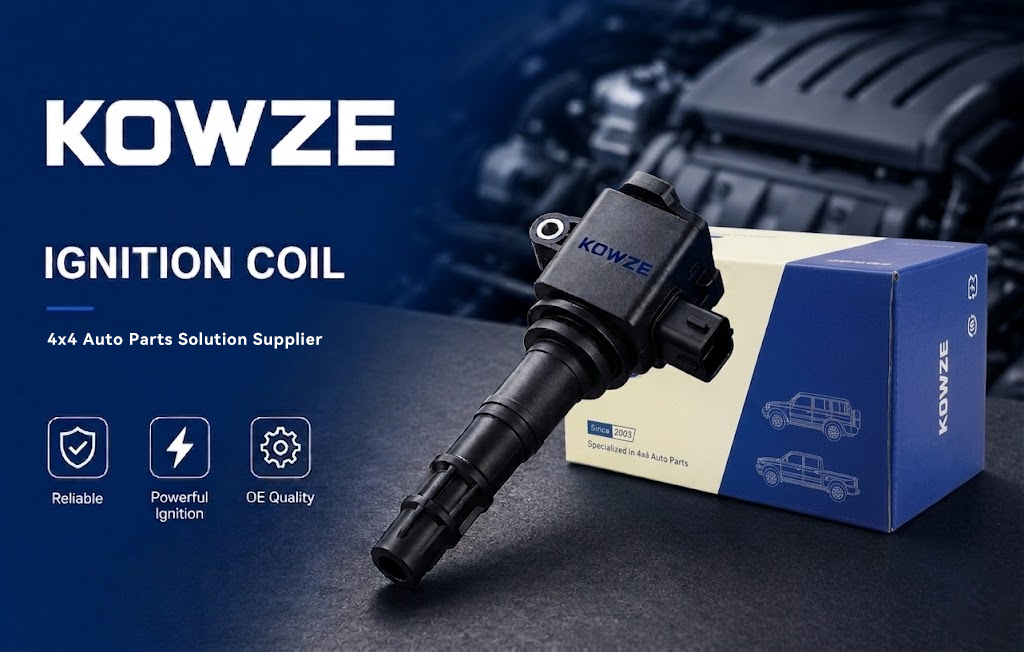
Materials for aftermarket components can range from budget-friendly options to high-performance solutions. For instance, high-quality aftermarket brake pads may utilize advanced friction materials that offer improved stopping power compared to standard OEM pads. However, variations in production methods can lead to inconsistencies in quality, so selecting a trusted aftermarket car part brand like Kowze is essential.
Pros and Cons of the Toyota Aftermarket Car Parts
Pros
- Cost-Effectiveness: Aftermarket parts are typically more affordable than OEM options. Many aftermarket components can be found at prices that are 20-50% lower than their OEM counterparts, making them an attractive choice for budget-conscious consumers seeking repairs or upgrades.
- Variety of Options: The aftermarket offers a vast array of choices, allowing vehicle owners to select parts that enhance performance, aesthetics, or both. Custom exhaust systems and performance intakes are widely available, enabling enthusiasts to personalize their vehicles according to specific preferences.
- Customization Potential: Aftermarket parts provide opportunities for customization that OEM parts often do not. Enthusiasts can choose components such as suspension kits or body kits designed to improve handling or give a unique look, catering to individual tastes and performance needs.
- Improved Performance: Many aftermarket parts are engineered for enhanced performance compared to standard OEM components. High-performance brake pads or sport-tuned shock absorbers can significantly improve a vehicle’s handling and stopping power, often appealing to drivers seeking a more dynamic driving experience.
- Wider Availability: Aftermarket parts are widely available through various retailers, online marketplaces, and specialty shops. This broad accessibility allows consumers to find parts quickly, reducing wait times for repairs and making it easier to source components for older or rare models.
Cons
- Variable Quality: The quality of aftermarket parts can vary significantly between manufacturers. While some brands produce high-quality components that rival OEM standards, others may use inferior materials or manufacturing processes, resulting in parts that wear out more quickly or fail prematurely.
- Compatibility Issues: Not all aftermarket parts guarantee a perfect fit with Toyota vehicles. Incompatibility can lead to installation challenges or performance issues, as some components may not adhere to the exact specifications required for optimal operation.
- Lack of Warranty: Many aftermarket parts do not come with the same warranty protections as OEM components. This can leave vehicle owners without recourse in the event of defects or failures, increasing long-term repair costs if parts need to be replaced frequently.
- Potential for Reduced Resale Value: Vehicles that have been fitted with aftermarket parts may not retain their resale value as well as those maintained with OEM components. Buyers often prefer original parts, viewing them as a sign of better maintenance and reliability.
- Regulatory Compliance: Some aftermarket parts may not meet the safety or emissions standards set by regulatory bodies. This could result in legal issues or failed inspections, particularly for parts like exhaust systems or modifications that alter the vehicle’s emissions profile.
Key Differences Between Toyota OEM vs Aftermarket Parts
To clearly outline the differences between Toyota OEM and aftermarket parts, the chart below summarizes the key distinctions. It will aid you in making an informed decision that suits your specific needs.
| Feature | Toyota OEM Parts | Aftermarket Parts |
| Manufacturer | Produced by Toyota or authorized suppliers | Produced by independent manufacturers |
| Quality Standards | Adheres to Toyota’s strict specifications | Varies widely; not always consistent |
| Fit and Compatibility | Designed for perfect fit in Toyota models | May not guarantee perfect fit; compatibility can vary |
| Cost | Generally more expensive | Typically more affordable |
| Warranty | Often comes with manufacturer warranty | Warranty varies by manufacturer; often limited |
| Customization Options | Limited to factory specifications | Wide range of customization available |
| Availability | May require ordering through dealerships | Readily available through various retailers |
| Performance | Ensures original performance and safety | Performance can vary; some parts designed for enhancements |
| Resale Value Impact | Generally preserves vehicle value | May reduce resale value due to aftermarket modifications |
| Regulatory Compliance | Meets all safety and emissions standards | May not always comply with regulations |
Are Aftermarket Car Parts as Good as OEM?

The question of whether aftermarket car parts are as good as OEM parts is complex and often depends on several factors. Aftermarket parts can vary significantly in quality, with some manufacturers producing high-performance components that rival or even exceed OEM standards. Reputable aftermarket brands like Kowze invest in research and development, using advanced materials and engineering techniques to create parts that offer comparable durability and performance.
However, not all aftermarket options are created equal. Lower-quality manufacturers may cut corners, resulting in parts that wear out faster or fail to fit properly. This inconsistency can lead to performance issues, making it essential for consumers to research brands and read reviews before making a purchase.
Additionally, OEM parts come with the assurance of meeting strict safety and performance standards set by Toyota, which can be a significant advantage when it comes to critical components like brakes and suspension systems. Ultimately, while some aftermarket parts can provide excellent value and performance, the reliability of OEM components remains unmatched in many cases.
How About the OEM Aftermarket Auto Parts?
OEM aftermarket auto parts represent a unique category that combines the benefits of both OEM and aftermarket components. These parts are manufactured by third-party companies but are made to the exact specifications of the original equipment, ensuring compatibility with Toyota vehicles. This means they can provide the same level of quality and performance as genuine OEM parts while often being more cost-effective.
One key advantage of OEM aftermarket parts is their potential for greater availability. Many consumers find these parts more accessible through various retailers, making repairs quicker and more convenient. Additionally, since these components are designed to meet the original specifications, they often come with warranties that provide extra peace of mind regarding their reliability and durability.
Toyota OEM vs Aftermarket Parts: Which Is Right for You?
If maintaining the highest quality and factory specifications is your priority, OEM parts are likely the best choice. They guarantee compatibility, reliability, and adherence to safety standards, making them ideal for critical repairs and high-stakes components like brakes and suspension systems.
On the other hand, if you’re looking for cost savings and customization options, aftermarket parts can be an attractive alternative. Many aftermarket manufacturers offer high-quality components that enhance performance or aesthetics at a lower price. This option can be particularly appealing for modifications or routine maintenance, especially if you’re working with a tight budget.
Consider the age and condition of your vehicle as well. For newer models, investing in OEM parts may be worthwhile to preserve resale value and ensure long-term reliability. In contrast, older vehicles might benefit from aftermarket options that provide adequate quality without the premium price of OEM parts.
Conclusion
In the debate of Toyota OEM vs aftermarket parts, both options offer unique benefits depending on your priorities. Weighing factors like quality, cost, and compatibility is essential for making the right choice for your vehicle. Whether you lean towards OEM for its reliability or choose aftermarket for its affordability, ensuring your Toyota stays in top shape is what truly matters. For more insights on car parts, feel free to explore our resources!
FAQ
Q1: Are OEM Toyota Parts Worth It?
Yes, OEM parts assure quality and compatibility, making them a worthwhile investment for those prioritizing performance and warranty compliance.
Q2: Why Are Toyota OEM Parts So Expensive?
Toyota OEM parts are often more expensive due to their high-quality materials, rigorous manufacturing processes, and adherence to strict safety standards. Additionally, the cost reflects the brand’s reputation for reliability and the comprehensive warranties typically offered with these components.
Q3: Is It Better to Buy OEM Parts or Aftermarket?
OEM parts ensure exact fit and quality, ideal for critical repairs. Aftermarket parts offer cost savings and customization options, but quality can vary. Research and consider your vehicle’s specific requirements before deciding.